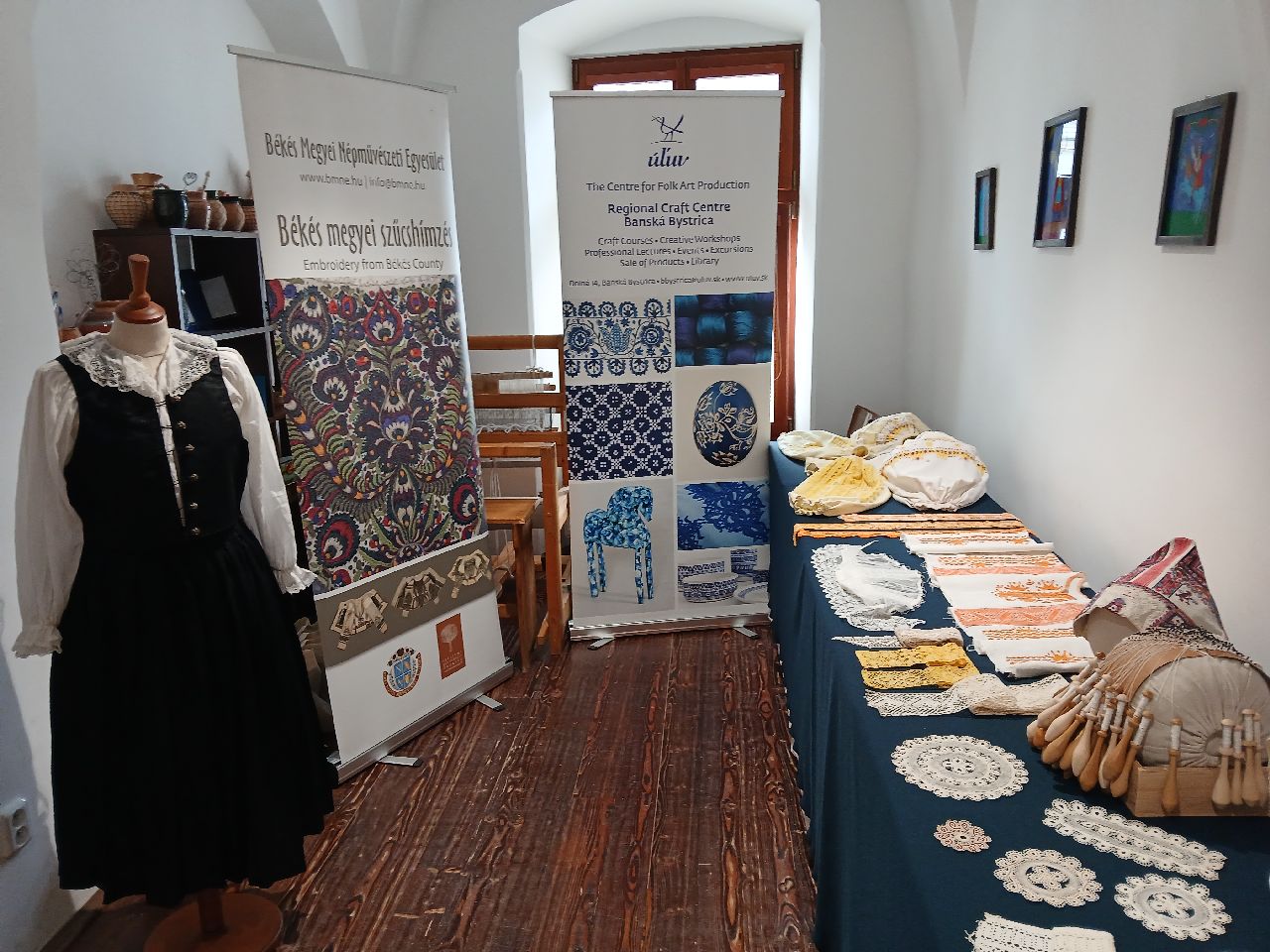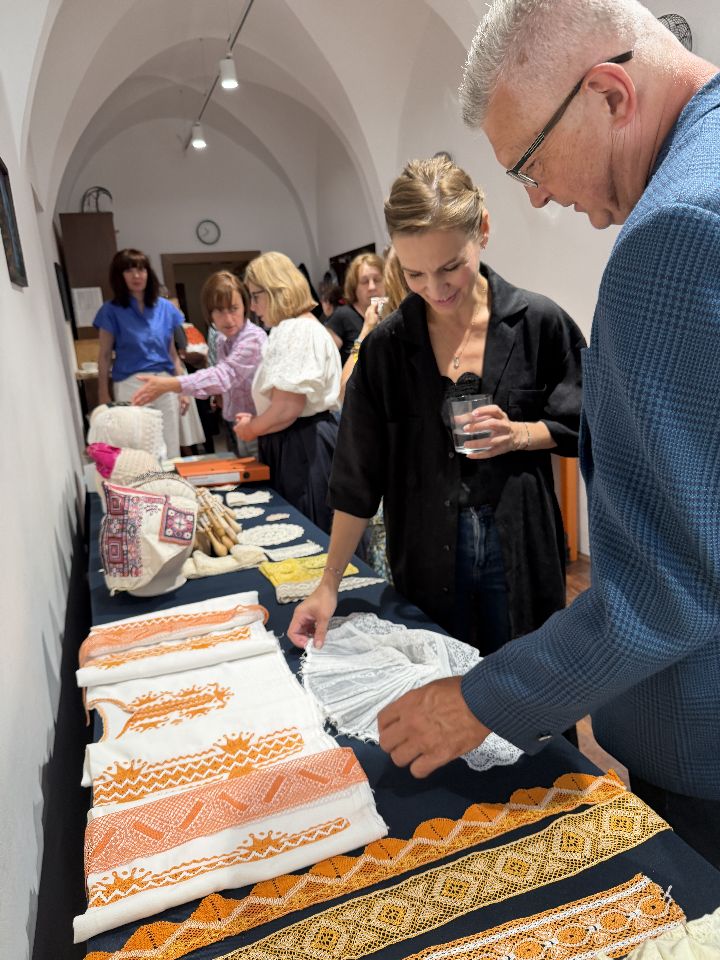
From June 4 to 7, 2026 ÚĽUV hosted the second workshop of the V4 project Revitalizing Folk Crafts of the V4 Countries through the Development of the Creative Industry. The event took place at the Regional Craft Center in Banská Bystrica. The main theme was Lace and its application in the traditional and modern clothing. We chose the theme based on the upcoming thematic year, which will be dedicated to this refined and delicate craft.
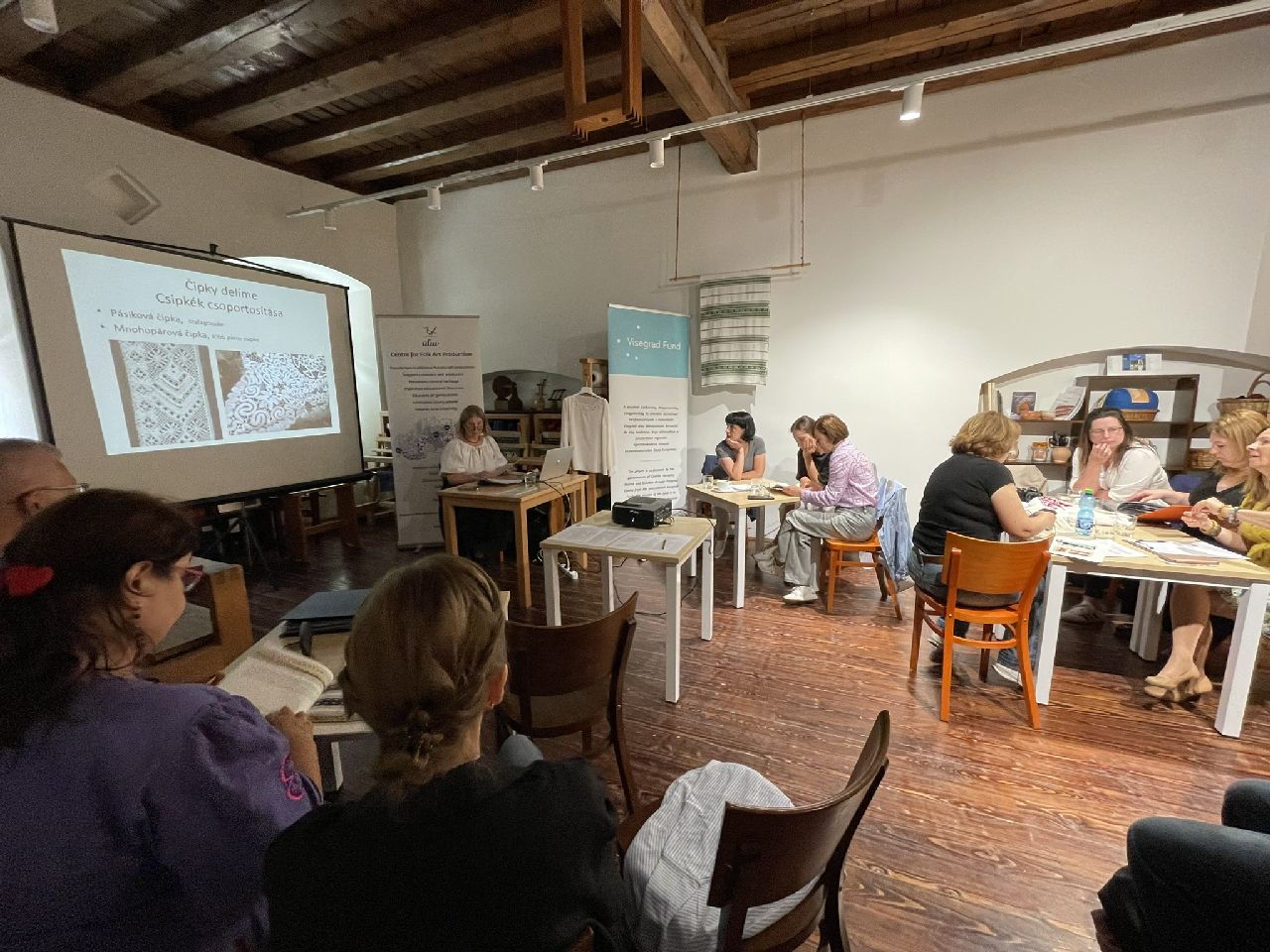
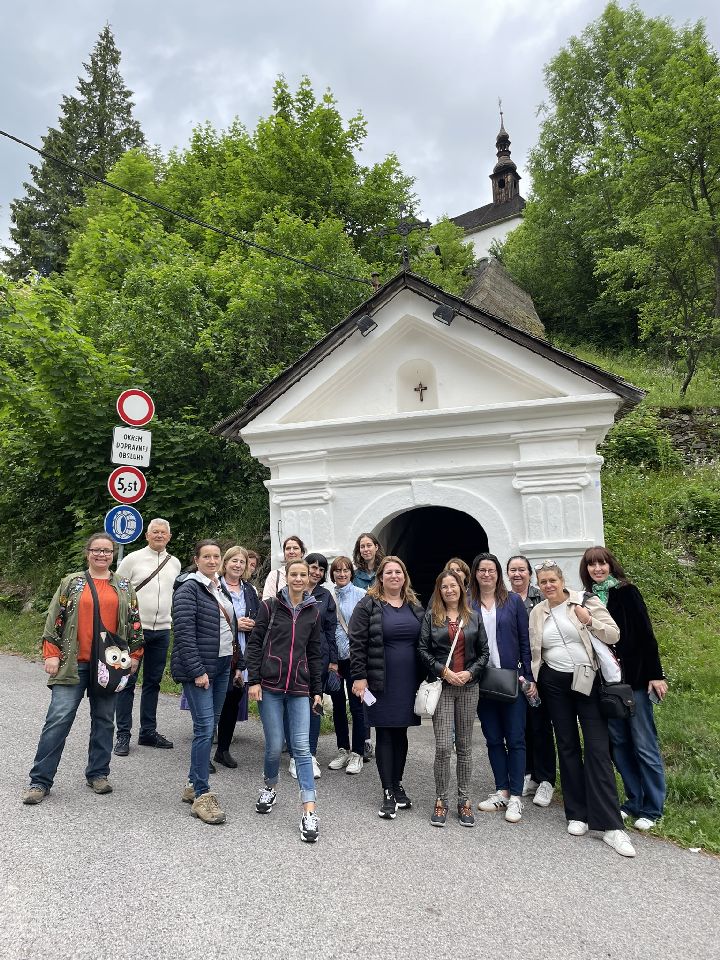
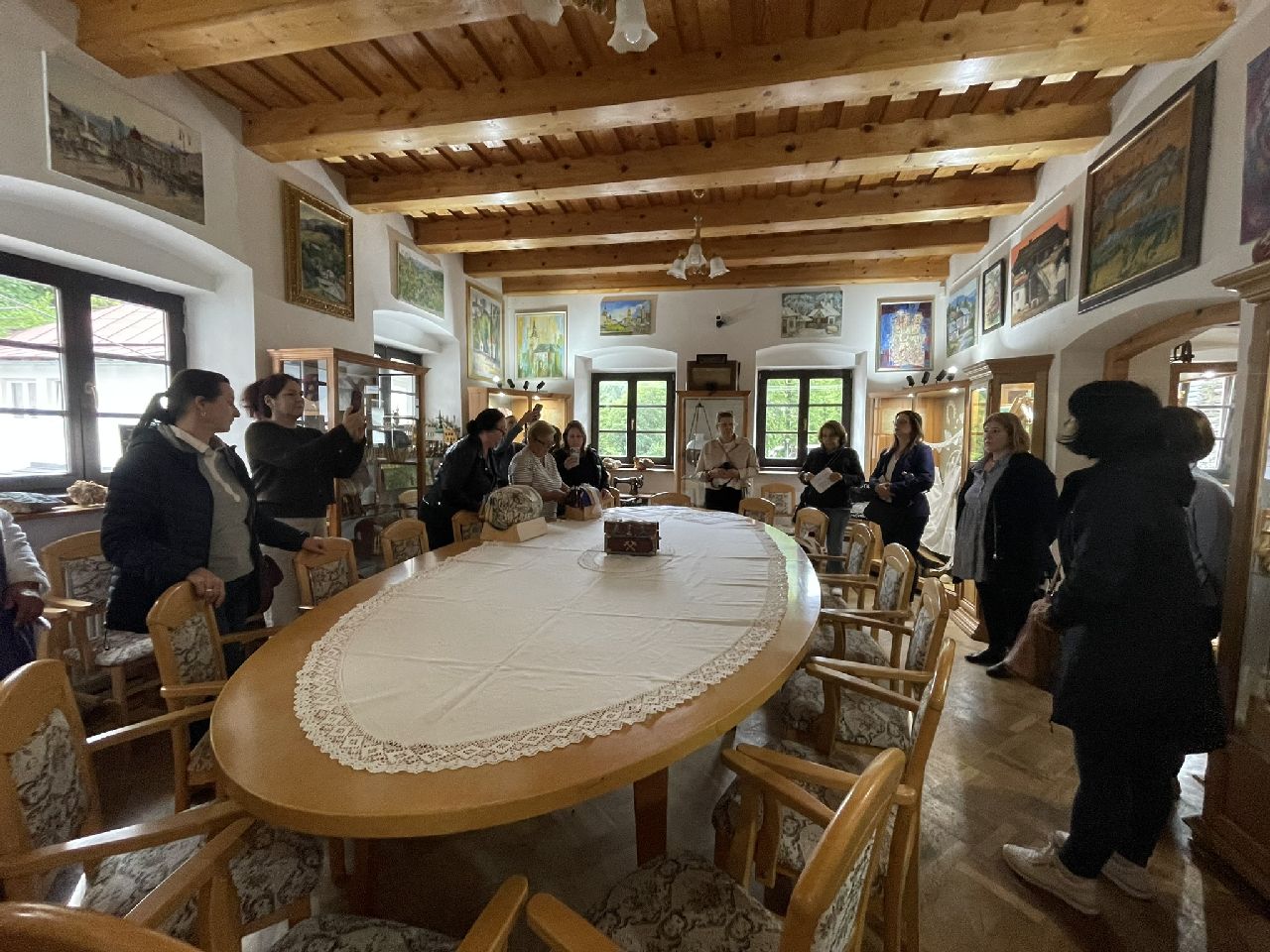
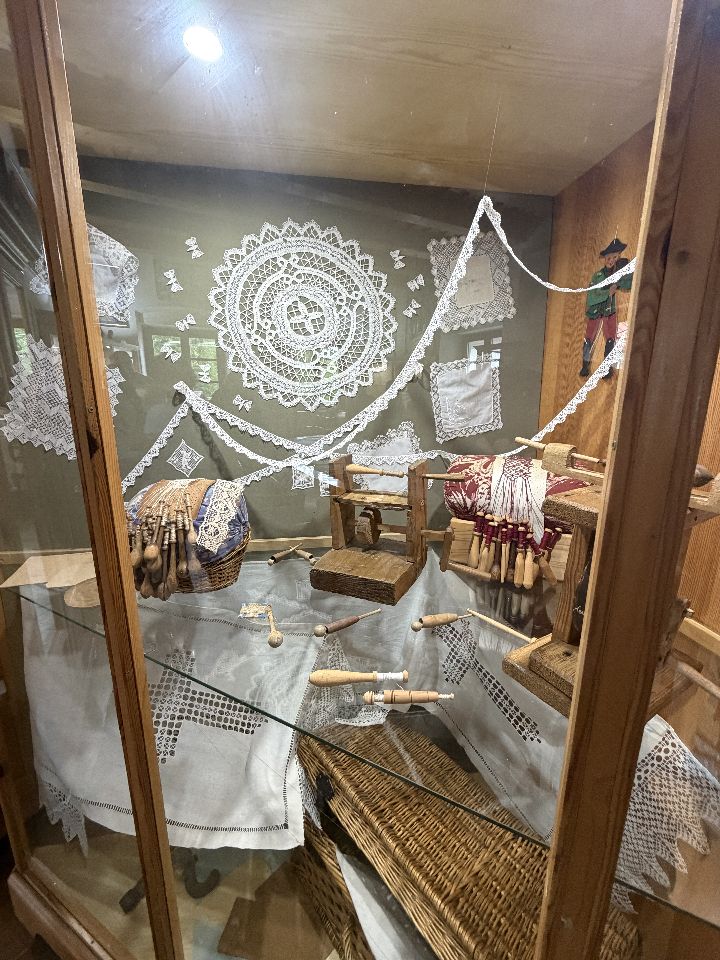
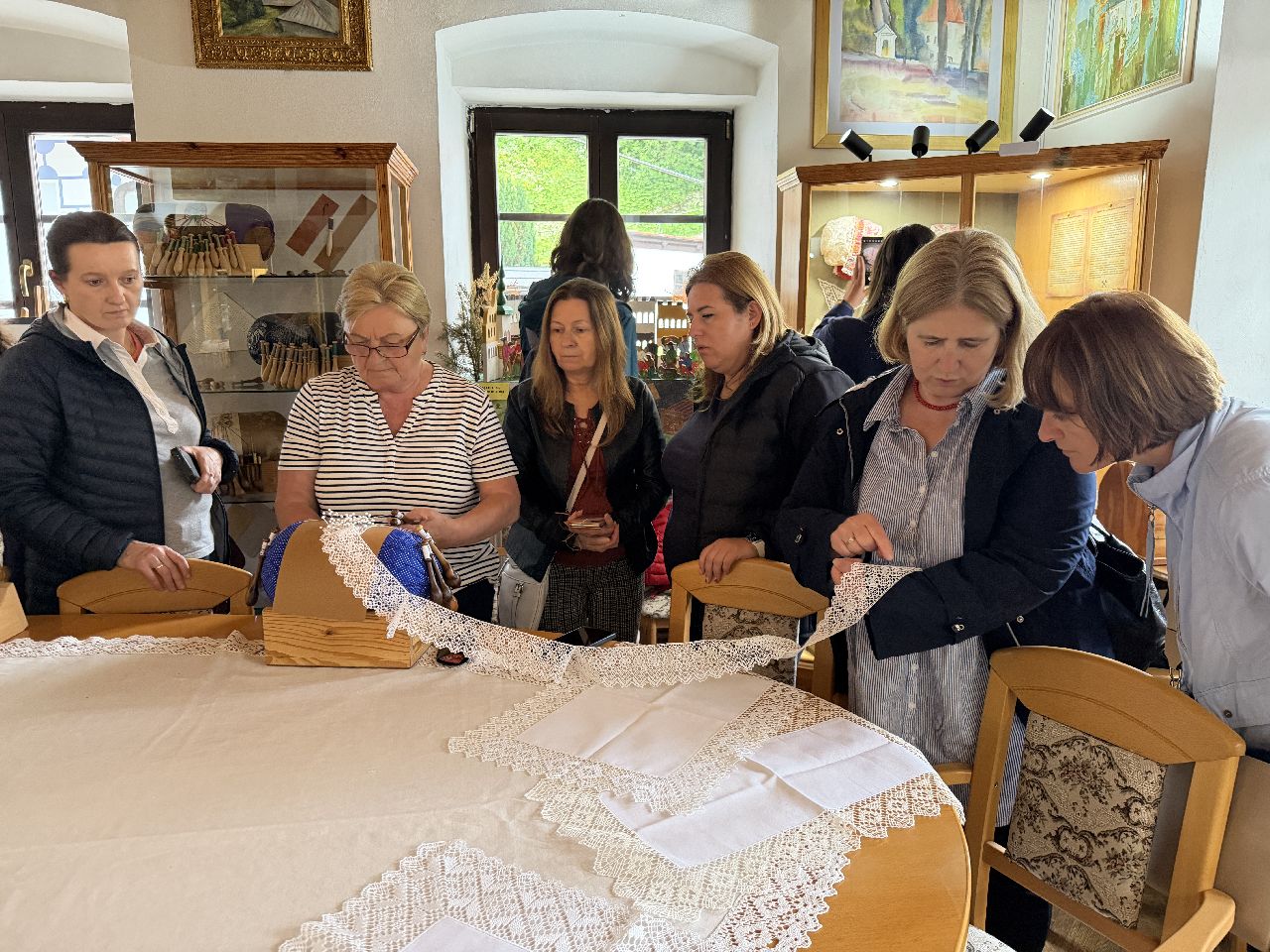
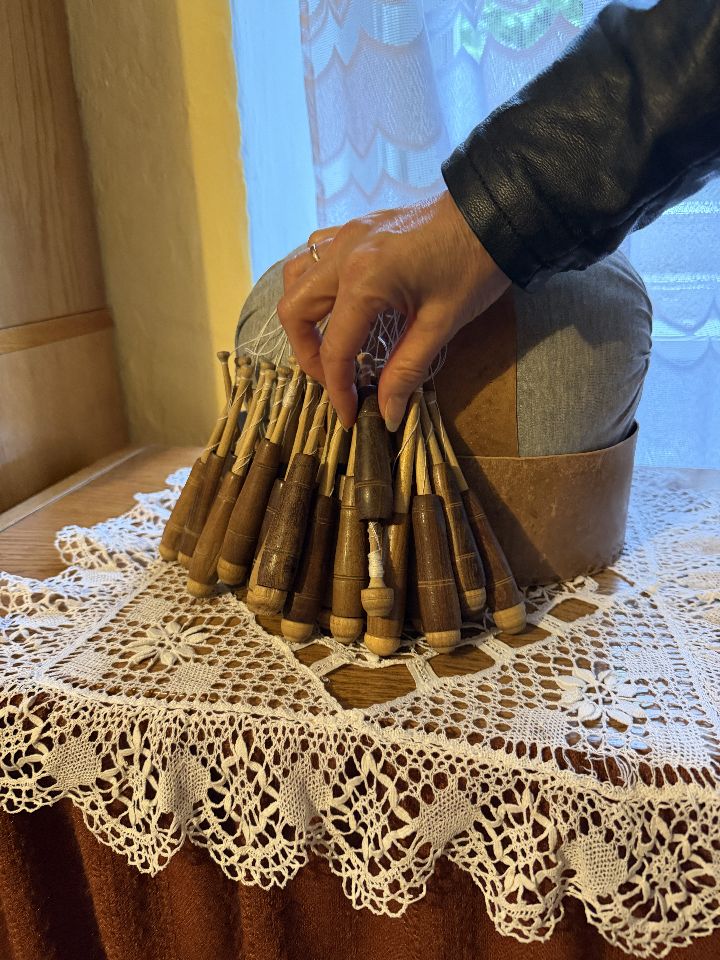
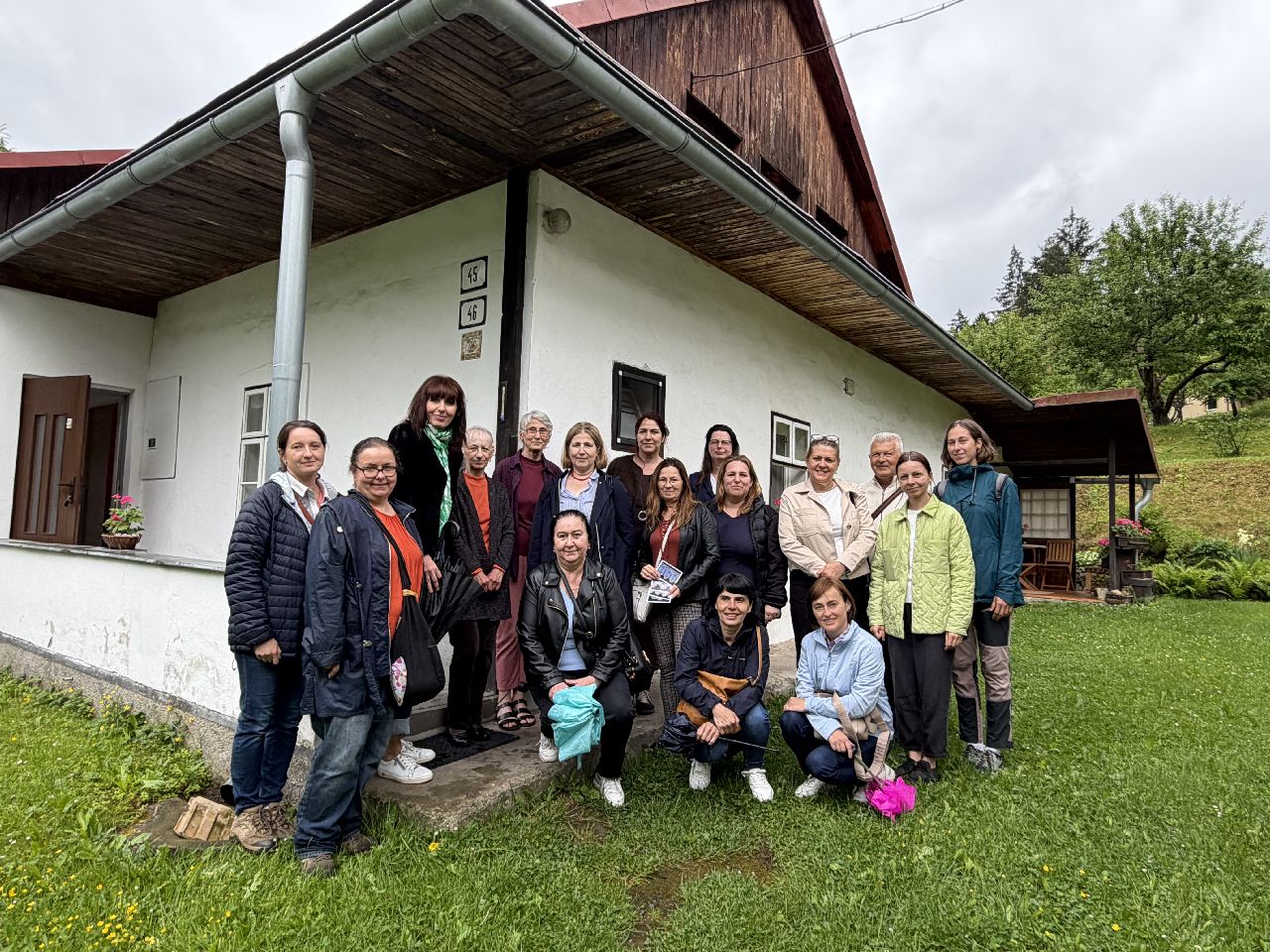
The technical segment of the workshop involved theoretical presentations, discussions, a field trip and a practical workshop session. On the Friday morning, June 5, the program began with presentations focused on traditional folk clothing from three regions of Slovakia – Myjava, Podpoľanie and Gemer. Next presentation was about traditional lace in general, followed by the last one about bobbin lace and its application in traditional Slovak clothing. In the afternoon the participants visited distinctive regions with a strong lace-making tradition – Špania Dolina and Staré Hory – and met with local lace-makers.
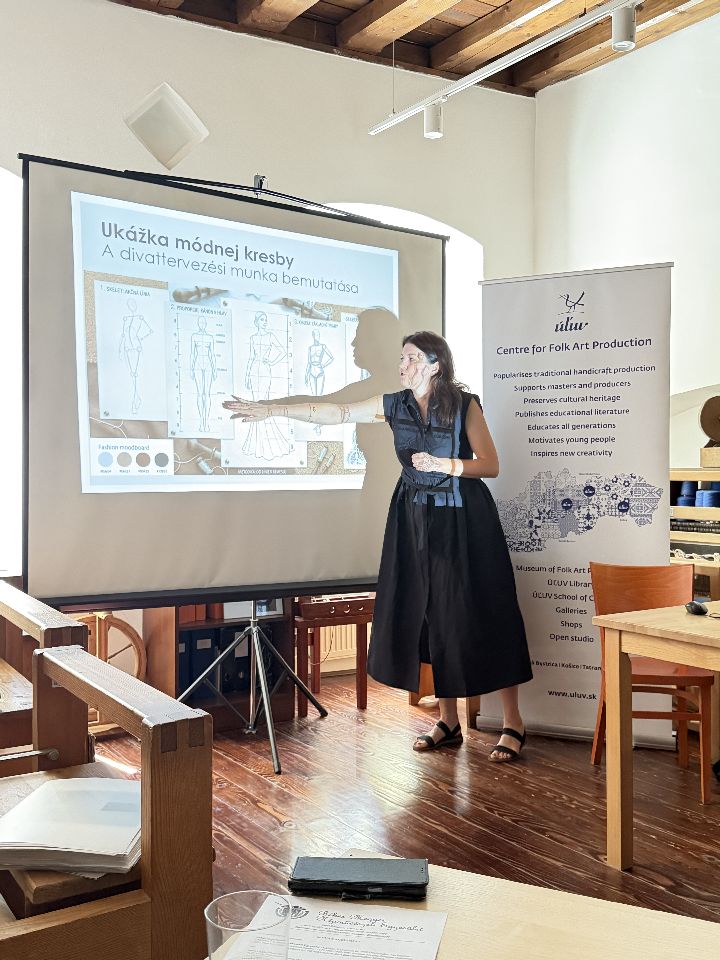
On Saturday, June 6, was the workshop opened with a presentation about lace application in the fashion industry and in the work of modern fashion designers. Next presentation by lecturer Petra Paulo Pršová introduced participants to current global fashion trends, showed her own design making and creations of her students. In the practical segment of the workshop she recommended specific approaches to assembling a fashion collection and greating garment designs, as well as incorporating inspiration from traditional clothing into contemporary work, and finally instructed how to effectively work with lace.
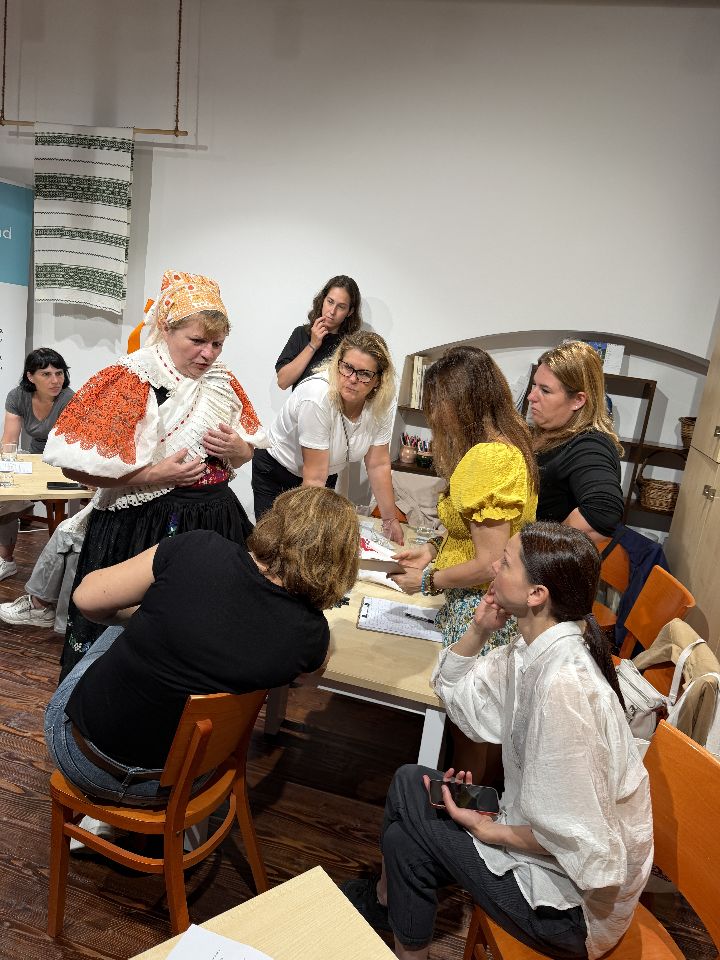
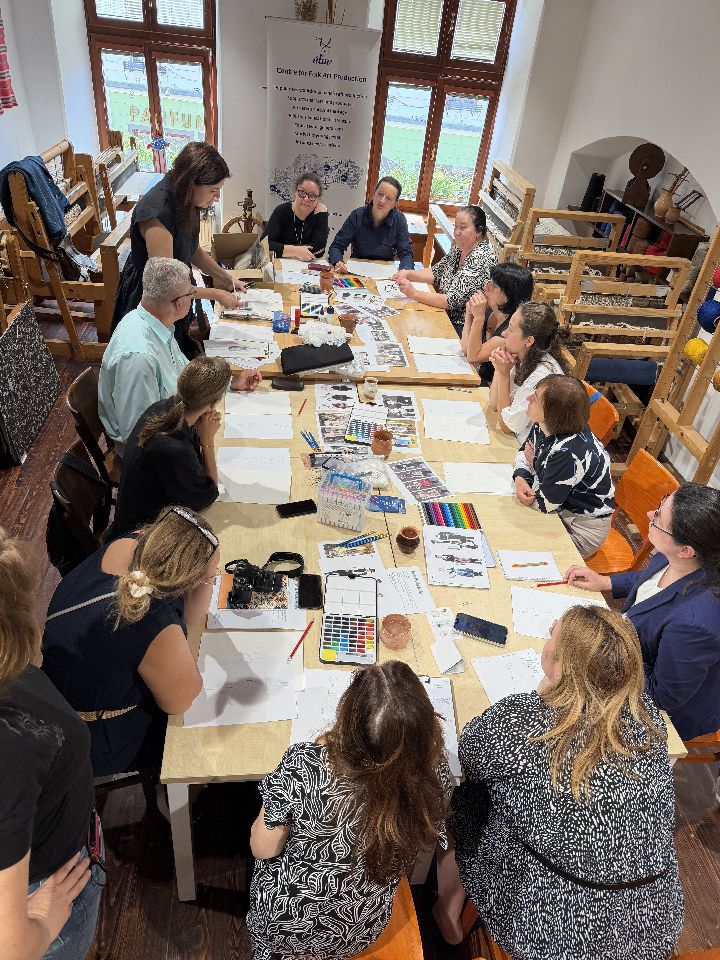
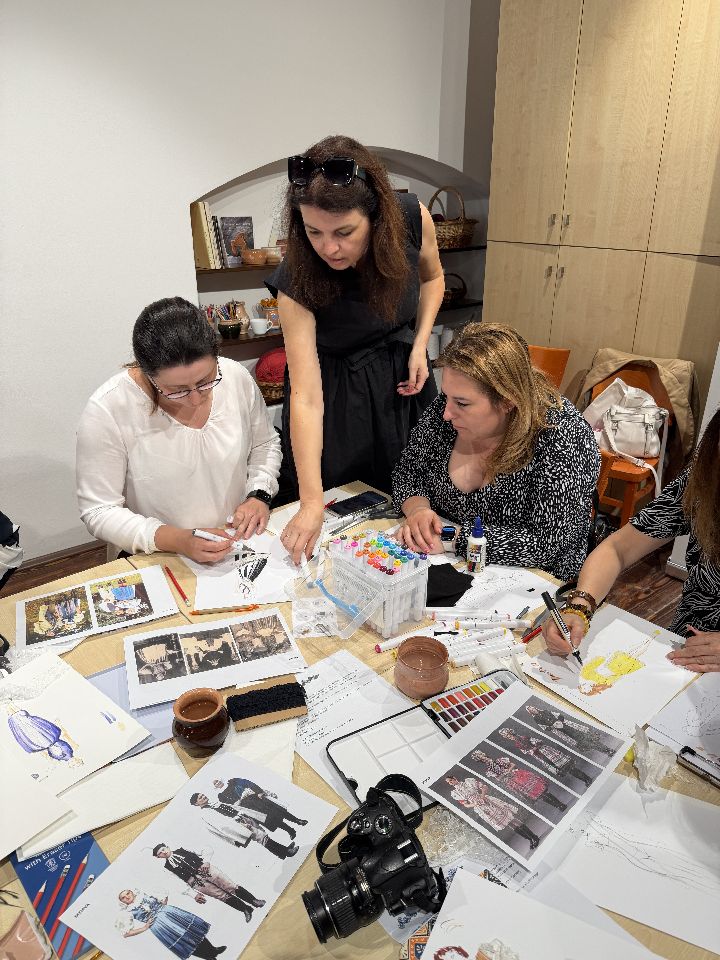
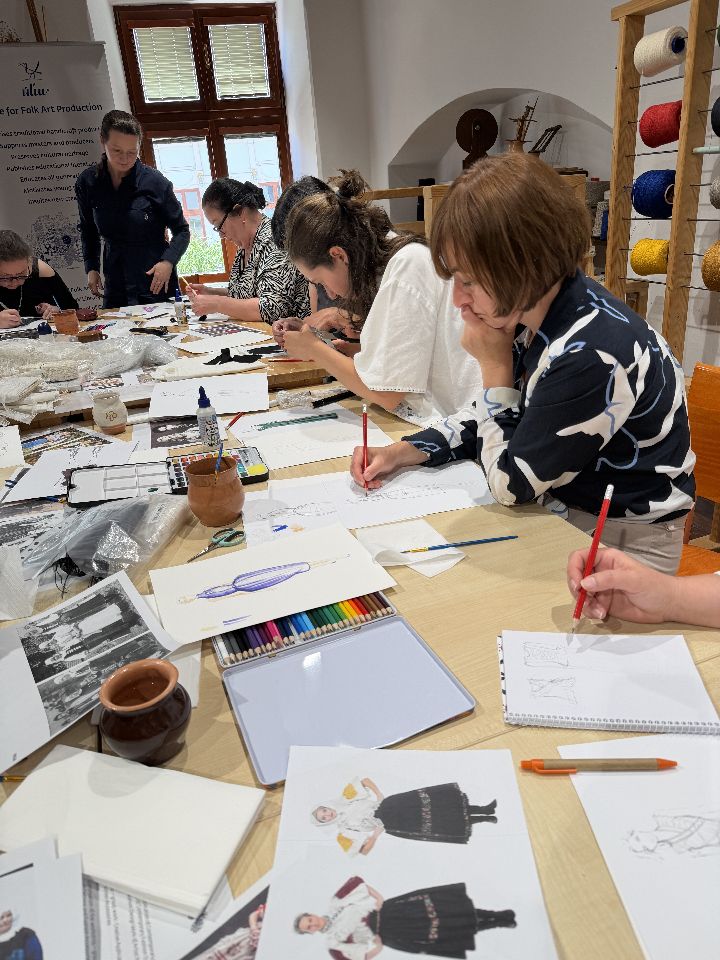
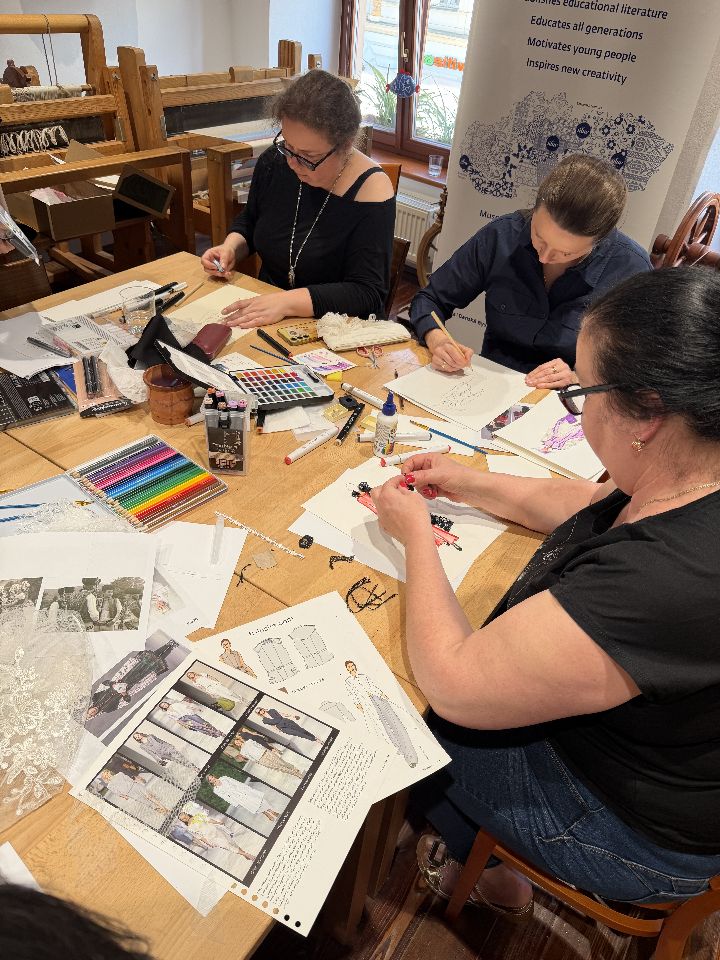
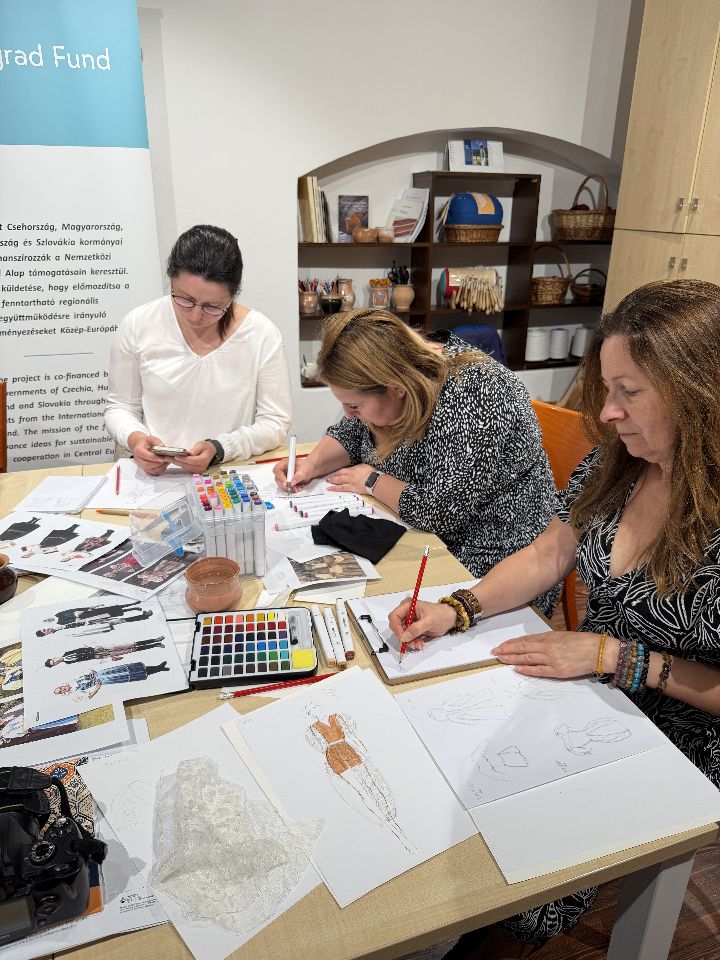
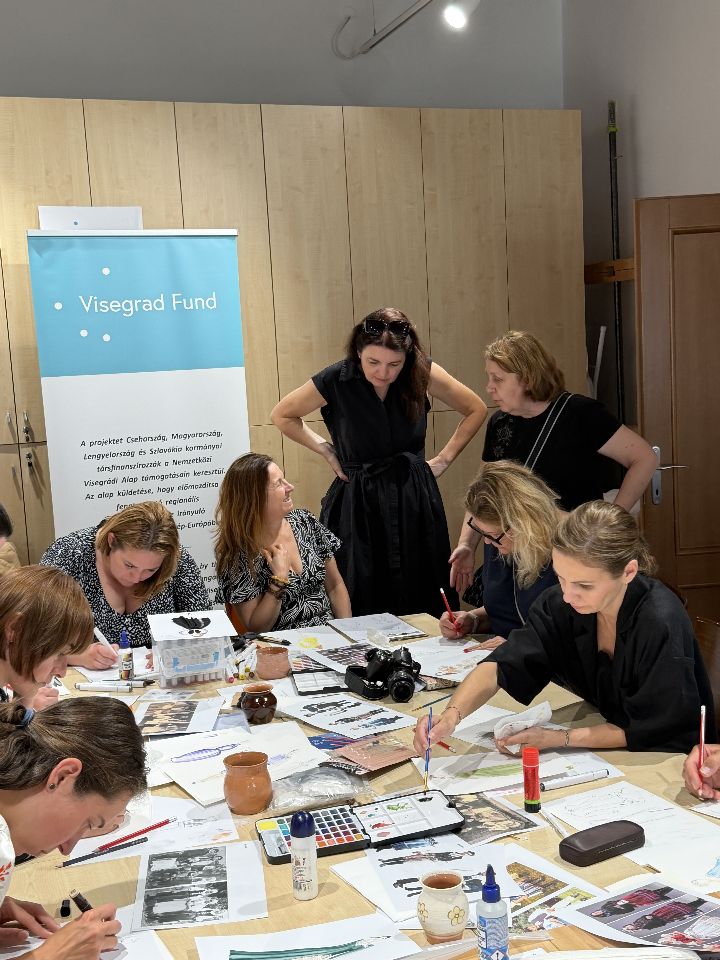
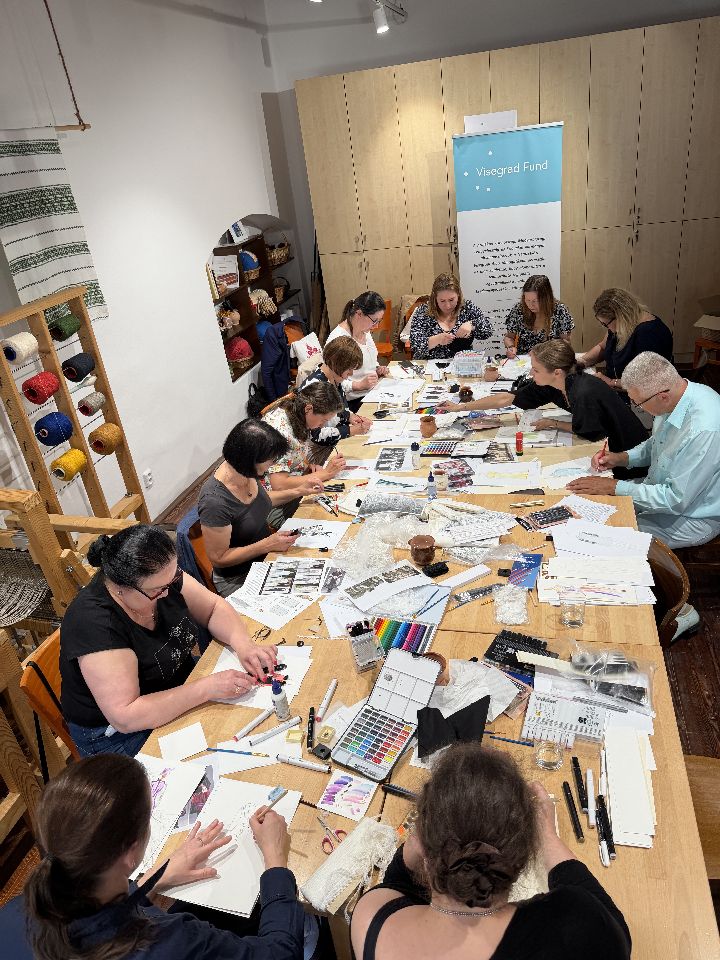
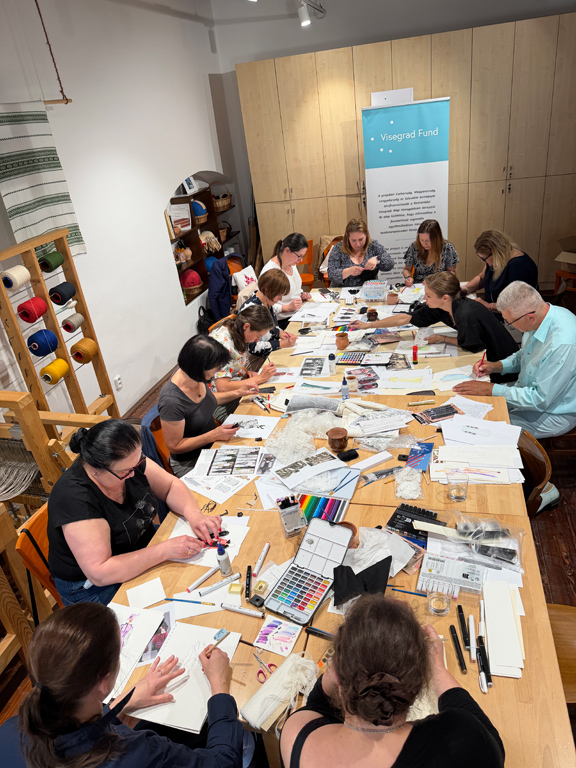
The highlight of the program was a creative workshop where participants worked in groups on the creative use of lace while designing clothes and accesories. It was very interesting to observe the different ways in which the participants approached the theme. Even though not all of them were professionals, they managed to work with lace in a highly creative and even innovative manner.
However, the workshop in Banská Bystrica was not just about creative work. It also involved engaging conversations, exploring the common ground and differences in approaches to tradition and its preservation, as well as discussing inspirations and shifts. Not every country or region pushes the boundaries of tradition in the same way; a more conservative approach prevails in some places, while bolder approaches dominate in others.
Video
Gallery